

In the book of Genesis, Adam is the first human being created by God. His story reveals where humanity came from, why people have a special place in God’s creation, and how sin entered the world. His name also points to an important truth: human life is a gift from the Creator.
Have you ever wondered why the first man in the Bible was named Adam? His name is more than an ancient name passed down through generations. It carries a beautiful connection to God’s creation, the earth, and the beginning of human life.
The biblical meaning of Adam helps us understand more than the origin of one name. It gives us a glimpse into God’s purpose for humanity and our relationship with Him.
From the Garden of Eden to the teachings of Jesus Christ in the New Testament, Adam’s story remains an important part of the Bible’s message.
Understanding the Name Adam in the Bible
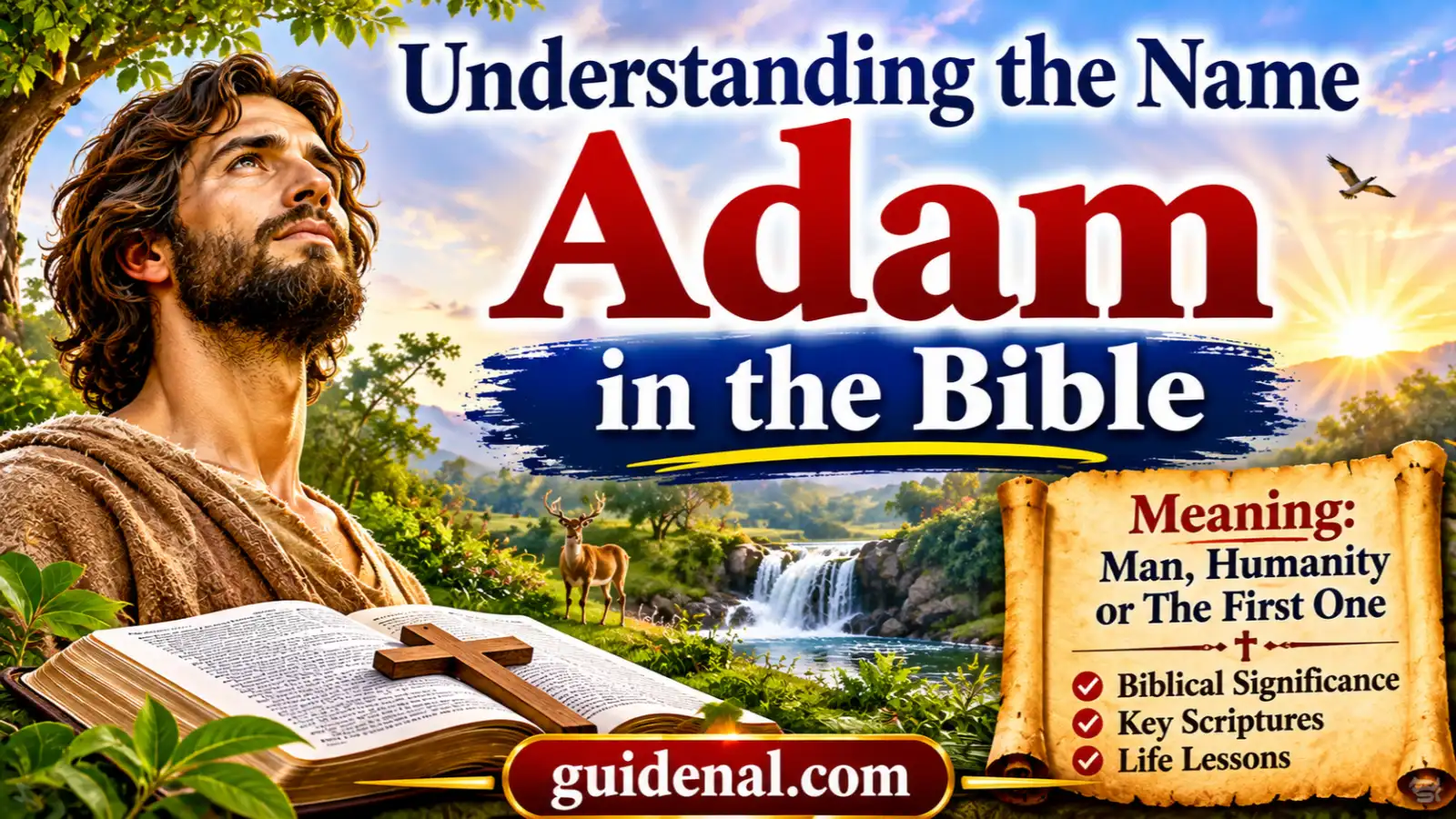
The name Adam comes from the Hebrew word Adam (אָדָם), which can mean man, human being, or humanity. It is closely connected to the Hebrew word adamah (אֲדָמָה), meaning ground or soil.
This connection is especially meaningful in Genesis 2:7. God formed the first man from the dust of the ground and breathed the breath of life into him. The Hebrew wording connects the human being, adam, with the ground, adamah.
Adam’s name therefore reminds us of two important truths. Human beings are made from the earth, and their life comes from God. People are physical creatures, but life is not something they create for themselves.
In the Old Testament, the word adam can refer to an individual man or humanity as a whole. Its meaning depends on the passage. In Genesis, Adam is folks the first man and a figure whose story represents the human family.
The New Testament develops this story further. Paul describes Adam as the first man and compares him with Jesus Christ, whom he calls the last Adam. This connection shows how the Bible moves from the beginning of human life to God’s work of salvation.
Adam’s name is therefore connected to creation, human identity, responsibility, sin, and redemption.
Best Bible Verses About Adam and Their Meanings

The Bible mentions Adam in several important passages. These verses reveal his creation, relationship with God, responsibility, disobedience, and connection to Jesus Christ.
The following verses use the King James Version (KJV) consistently.
1. Genesis 1:27 – Adam Was Created in God’s Image
Bible Verse (KJV):
“So God created man in his own image, in the image of God created he him; male and female created he them.”
What This Verse Means:
This verse teaches that human beings were created in God’s image. Adam was not an ordinary creature without purpose. God gave humanity a special place within creation.
Being made in God’s image does not mean that people look physically like God. It points to the unique dignity, purpose, and responsibility God gave humanity.
Life Application:
- Remember that every human life has value.
- Treat others with dignity and kindness.
- Use your abilities to reflect God’s goodness.
- Recognize that your identity comes from your Creator.
2. Genesis 2:7 – The Meaning of Adam and the Ground
Bible Verse (KJV):
“And the LORD God formed man of the dust of the ground, and breathed into his nostrils the breath of life; and man became a living soul.”
What This Verse Means:
This is one of the most important verses for understanding the name Adam. God formed the first man from the dust of the ground. The Hebrew words adam (human) and adamah (ground) create a meaningful word connection.
The verse also shows that human life depends on God. Adam did not give himself life. His existence began through God’s creative power.
Life Application:
- Stay humble because life is a gift from God.
- Thank God for the breath of life.
- Remember that your worth comes from being created by Him.
- Depend on God rather than relying only on yourself.
3. Genesis 1:26 – Humanity’s God-Given Purpose
Bible Verse (KJV):
“And God said, Let us make man in our image, after our likeness: and let them have dominion over the fish of the sea, and over the fowl of the air, and over the cattle…”
What This Verse Means:
Before creating Adam, God revealed His purpose for humanity. People were given responsibility over the living things on earth.
This responsibility was not permission to destroy creation. It was a calling to care for what God had made.
Life Application:
- Be responsible with the resources God provides.
- Care for animals and the natural world.
- Use your influence wisely.
- Remember that every responsibility is an opportunity to honor God.
4. Genesis 2:15 – Adam Was Given Work to Do
Bible Verse (KJV):
“And the LORD God took the man, and put him into the garden of Eden to dress it and to keep it.”
What This Verse Means:
Adam was placed in the Garden of Eden to work and care for it. This happened before sin entered the world.
It shows that work itself is not a punishment. God gave humanity meaningful responsibilities as part of His good creation.
Life Application:
- Treat your daily work as an opportunity to serve God.
- Be faithful in small responsibilities.
- Care for what God has placed in your hands.
- Do your work with honesty and dedication.
5. Genesis 2:16–17 – Adam Received God’s Command
Bible Verse (KJV):
“And the LORD God commanded the man, saying, Of every tree of the garden thou mayest freely eat: But of the tree of the knowledge of good and evil, thou shalt not eat of it…”
What This Verse Means:
God gave Adam freedom to enjoy the garden but also gave him a clear command. Adam was expected to trust God’s wisdom and obey His instruction.
This passage introduces the importance of obedience and human responsibility. God’s command was not meant to destroy Adam’s joy. It established a boundary within which he could live.
Life Application:
- Trust God’s wisdom even when you do not understand everything.
- Respect the boundaries taught in Scripture.
- Do not confuse freedom with permission to ignore God.
- Make obedience part of your daily Christian life.
6. Genesis 2:18 – Adam Was Not Created for Isolation
Bible Verse (KJV):
“And the LORD God said, It is not good that the man should be alone; I will make him an help meet for him.”
What This Verse Means:
God recognized that Adam needed companionship. He created a suitable partner for him, showing that human relationships are part of His design.
This verse also introduces the biblical foundation of marriage. Adam’s life reminds us that people were created for meaningful relationships, not complete isolation.
Life Application:
- Value healthy relationships.
- Build friendships based on love and honesty.
- Support your family and community.
- Remember that asking for companionship is not a weakness.
7. Genesis 2:21–22 – God Created Eve
Bible Verse (KJV):
“And the LORD God caused a deep sleep to fall upon Adam, and he slept: and he took one of his ribs, and closed up the flesh instead thereof;”
What This Verse Means:
God created Eve and brought her to Adam. The passage shows the beginning of the first human marriage.
Adam and Eve shared the same human nature and were created to live in relationship with one another under God’s care.
Life Application:
- Respect the dignity of folks genders.
- Build relationships on mutual love and respect.
- Recognize marriage as a serious commitment.
- Thank God for the people who support your life.
8. Genesis 2:23 – Adam Recognized Eve as His Companion
Bible Verse (KJV):
“And Adam said, This is now bone of my bones, and flesh of my flesh: she shall be called Woman, because she was taken out of Man.”
What This Verse Means:
Adam recognized Eve as someone who shared his humanity. His words express closeness, belonging, and unity.
The verse helps explain why Genesis 2:24 describes a partners becoming one flesh. Marriage is presented as a deep relationship of commitment.
Life Application:
- Appreciate the people God has placed in your life.
- Practice loyalty and faithfulness.
- Avoid treating relationships as disposable.
- Choose love, patience, and understanding.
9. Genesis 3:6 – Adam Disobeyed God
Bible Verse (KJV):
“And when the woman saw that the tree was good for food, and that it was pleasant to the eyes, and a tree to be desired to make one wise, she took of the fruit thereof, and did eat, and gave also unto her husband with her; and he did eat.”
What This Verse Means:
This passage describes the fall of humanity. Adam and Eve disobeyed God’s command after the serpent tempted them.
Their decision brought sin into the human story. The passage teaches that temptation can make disobedience appear attractive, even when it leads away from God’s wisdom.
Life Application:
- Be careful about choices that contradict God’s Word.
- Recognize temptation before it influences your actions.
- Ask the Holy Spirit for strength to resist sin.
- Remember that choices have consequences.
10. Genesis 3:9 – God Called Adam
Bible Verse (KJV):
And the LORD God called unto Adam, and said unto him, Where art thou?
What This Verse Means:
After Adam sinned, he hid from God. Yet God came looking for him and called his name.
God’s question was not because He lacked knowledge of Adam’s location. It invited Adam to face what had happened.
This moment reveals God’s desire to confront sin while calling people into an honest relationship with Him.
Life Application:
- Do not hide your struggles from God.
- Be honest about your mistakes.
- Come to God in repentance.
- Remember that His invitation to return is an expression of mercy.
11. Genesis 3:19 – Adam and the Dust of the Earth
Bible Verse (KJV):
“In the sweat of thy face shalt thou eat bread, till thou return unto the ground; for out of it wast thou taken: for dust thou art, and unto dust shalt thou return.”
What This Verse Means:
God explained the consequences of Adam’s disobedience. Human life would now involve hardship, toil, and death.
The reference to dust also brings the meaning of Adam’s name back into focus. The man formed from the ground would eventually return to it.
Life Application:
- Remember that earthly life is temporary.
- Use your time wisely.
- Seek God’s guidance in difficult seasons.
- Place your lasting hope in Him.
12. Genesis 3:20 – Adam Named His Wife Eve
Bible Verse (KJV):
And Adam called his wife’s name Eve; because she was the mother of all living.
What This Verse Means:
Adam named his wife Eve because she would become the mother of humanity. Her name is connected with life.
This verse appears after God’s judgment in the garden. Even in a moment of serious consequences, the story moves toward the continuation of human life.
Life Application:
- Appreciate the gift of family and life.
- Recognize God’s continuing care for humanity.
- Find hope even after difficult mistakes.
- Remember that God’s story does not end with human failure.
13. Genesis 3:23 – Adam Left the Garden
Bible Verse (KJV):
“Therefore the LORD God sent him forth from the garden of Eden, to till the ground from whence he was taken.”
What This Verse Means:
Because of their disobedience, Adam and Eve were sent out of Eden. Their relationship with the garden and its life of ease had changed.
The ground from which Adam was formed became the place where he would now work.
This passage highlights the seriousness of sin and the loss that follows disobedience.
Life Application:
- Take God’s instructions seriously.
- Learn from the mistakes recorded in Scripture.
- Do not take God’s blessings for granted.
- Seek restoration through His grace.
14. Romans 5:12 – Adam and the Entrance of Sin
Bible Verse (KJV):
“Wherefore, as by one man sin entered into the world, and death by sin; and so death passed upon all men, for that all have sinned:”
What This Verse Means:
Paul explains how Adam’s disobedience affected the human family. Sin and death became realities in the world.
This passage connects the Old Testament story of Genesis with the New Testament message of salvation. It also explains why humanity needs more than personal effort to overcome sin.
Life Application:
- Recognize the seriousness of sin.
- Do not excuse wrongdoing.
- Seek forgiveness through Jesus Christ.
- Remember that God’s grace is greater than human failure.
15. Romans 5:14 – Adam as a Biblical Figure
Bible Verse (KJV):
“Nevertheless death reigned from Adam to Moses, even over them that had not sinned after the similitude of Adam’s transgression…”
What This Verse Means:
Paul describes Adam as an important figure in the story of humanity. Adam’s disobedience established a pattern that affected those who came after him.
Paul also uses Adam to introduce a comparison with Jesus Christ. This makes Adam’s story essential to understanding the New Testament message of redemption.
Life Application:
- Study the Old Testament alongside the New Testament.
- Understand how biblical events connect.
- Recognize the need for a Savior.
- Let Scripture deepen your understanding of God’s plan.
16. Romans 5:19 – Adam’s Disobedience and Christ’s Obedience
Bible Verse (KJV):
“For as by one man’s disobedience many were made sinners, so by the obedience of one shall many be made righteous.”
What This Verse Means:
This verse presents a powerful contrast between Adam and Jesus. Adam’s disobedience brought sin, while Christ’s obedience made the way for people to receive righteousness.
The central message is that salvation is not achieved through human perfection. It comes through what Jesus accomplished.
Life Application:
- Place your faith in Jesus.
- Follow His example of obedience.
- Depend on God’s grace.
- Allow gratitude for salvation to shape your choices.
17. 1 Corinthians 15:22 – Life in Adam and Life in Christ
Bible Verse (KJV):
“For as in Adam all die, even so in Christ shall all be made alive.”
What This Verse Means:
Paul explains the difference between humanity’s condition in Adam and the resurrection hope found in Christ.
Adam represents the human story marked by death. Jesus brings the promise of resurrection and eternal life.
This verse is especially important because it shows that the meaning of Adam in the Bible cannot be fully understood without considering Jesus.
Life Application:
- Place your hope in Christ’s resurrection.
- Trust God’s promise of eternal life.
- Do not allow fear of death to control your faith.
- Live with the hope that comes from Jesus.
18. 1 Corinthians 15:45 – Adam and the Last Adam
Bible Verse (KJV):
“And so it is written, The first man Adam was made a living soul; the last Adam was made a quickening spirit.”
What This Verse Means:
Paul calls Jesus the last Adam. The first Adam received life from God, while the risen Christ gives resurrection life.
This comparison highlights the difference between the beginning of humanity and God’s new creation through Jesus.
Adam reminds us where human life began. Christ reveals where God’s plan of redemption leads.
Life Application:
- Keep Jesus at the center of your faith.
- Remember that spiritual life comes from Him.
- Trust the power of His resurrection.
- Let your identity be shaped by Christ.
Biblical Themes Connected to the Name Adam
Adam’s story connects several major themes throughout the Bible. These themes help explain why his name is important to Christian faith.
1. Creation and Human Identity
Adam represents the beginning of human life in Genesis. His creation shows that people are not accidents or meaningless beings.
Supporting Scripture: Genesis 1:26–27.
God created humanity in His image and gave people a special place in His creation.
The spiritual lesson is simple: your value does not depend on wealth, appearance, success, or social position. Your life has dignity because God is your Creator.
2. Humility and Dependence on God
Adam was formed from the dust. This reminds humanity that life is received, not self-created.
Supporting Scripture: Genesis 2:7.
The breath of life came from God. This is a reminder to remain humble and grateful.
Christians can apply this truth by depending on God through prayer, trusting His wisdom, and acknowledging His provision.
3. Responsibility and Stewardship
God gave Adam the responsibility of caring for the Garden of Eden.
Supporting Scripture: Genesis 2:15.
This theme teaches that God’s blessings often come with responsibilities. Families, work, resources, and relationships should be managed with care.
Faithfulness in ordinary responsibilities is an important part of Christian living.
4. Obedience and Faith
Adam received a direct command from God but chose to disobey.
Supporting Scripture: Genesis 2:16–17.
His story demonstrates the importance of trusting God’s instructions.
Obedience is not simply following rules. It is an expression of love, trust, and respect for the One who knows what is best.
5. Sin and Human Responsibility
Adam’s disobedience introduced sin into the biblical story of humanity.
Supporting Scripture: Romans 5:12.
The Bible does not present sin as a small mistake without consequences. It shows that sin damages our relationship with God and affects human life.
This theme encourages believers to take repentance seriously and seek forgiveness through Jesus Christ.
6. Grace and Redemption
Although Adam’s story includes failure, the Bible’s larger message is not without hope.
Supporting Scripture: Romans 5:15–17.
Paul explains that God’s gift through Jesus Christ is greater than the trespass associated with Adam.
Grace means that people do not have to remain defined by their failures. Through faith in Christ, forgiveness and new life are available.
7. Hope and Resurrection
Adam’s story introduces the reality of death, but Jesus brings the promise of resurrection.
Supporting Scripture: 1 Corinthians 15:20–22.
The resurrection of Jesus is central to Christian hope. It assures believers that death does not have the final word.
This theme encourages Christians to live with faith, courage, and confidence in God’s promises.
Biblical Symbolism Connected to Adam
The name Adam carries several important connections in biblical symbolism. These meanings come from the creation story and the wider message of Scripture. They should not be confused with unsupported spiritual interpretations.
1. Dust Symbolizes Human Weakness and Humility
The Divine Breath of Creation | Bible World
bibleworld.ai
Adam was formed from the dust of the ground (Genesis 2:7).
Dust reminds us that human beings are limited. We depend on God for life, strength, and provision.
In Genesis 3:19, God reminds Adam that he will return to the ground. This points to human mortality.
Spiritual Lesson: Pride has no lasting foundation. Christians should walk humbly before God and remember that every breath is a gift.
2. The Ground Represents Humanity’s Connection to Creation
The Hebrew word adamah means ground or fertile soil. Its connection with adam creates an important wordplay in Genesis.
The ground was not simply a material used to form Adam. It also became part of his responsibility. God placed him in the garden to care for it.
Spiritual Lesson: Human beings have a responsibility to care for God’s creation. We should use the earth’s resources wisely rather than treating them carelessly.
3. The Breath of Life Represents God’s Gift of Life
Genesis 2:7 Formed the Man from Dust, Breathed into His Nostrils the Breath of Life, and Man Became a Living Soul – Christian Publishing House Blog
christianpublishinghouse.co
Genesis 2:7 describes God breathing the breath of life into Adam.
This moment reveals that human life depends on the Creator. Adam’s body came from the ground, but his life came through God’s creative act.
Spiritual Lesson: Life is precious. Every day gives us another opportunity to thank God, worship Him, and live according to His purpose.
4. The Garden Represents God’s Provision and Human Responsibility
The Garden of Eden was a place where Adam experienced God’s provision. He had food, meaningful work, and a relationship with his Creator.
However, he also received a responsibility to care for the garden and obey God’s command.
Spiritual Lesson: God’s blessings should lead us toward gratitude and faithfulness. We should not enjoy His gifts while ignoring His instructions.
5. Adam Represents Humanity’s Need for Redemption
Adam’s disobedience brought sin and death into the biblical story. However, the New Testament presents Jesus as the last Adam.
In Romans 5:18–19, Paul contrasts Adam’s disobedience with Christ’s obedience.
Spiritual Lesson: Human beings cannot overcome sin through their own goodness. We need the grace and saving work of Jesus Christ.
Practical Lessons Christians Can Learn From Adam’s Story
Adam’s life offers several important lessons for believers today. His story is not only about the beginning of humanity. It also teaches us how to understand our identity, responsibilities, choices, and need for God’s grace.
1. Remember That Your Life Comes From God
Genesis 2:7 reminds us that God is the source of human life.
You may have many responsibilities, dreams, and plans, but never forget the One who gave you life.
Start your day with gratitude. Thank God for your health, opportunities, family, and the strength to continue.
2. Stay Humble in Every Season
Adam’s connection with the dust reminds us that human beings are not independent of God.
Success can sometimes make people proud. Difficult seasons can make people feel worthless.
Neither should control your identity.
Remember that your worth comes from being created by God, not from what you own or achieve.
3. Take God’s Word Seriously
Adam knew God’s command but chose to disobey.
His story reminds Christians that knowing Scripture is not enough. We must also put it into practice.
James 1:22 encourages believers to be doers of the Word, not hearers only.
When facing a difficult decision, seek guidance from Scripture rather than simply following your emotions.
4. Be Responsible With What God Gives You
God gave Adam the Garden of Eden to care for.
Today, Christians also have responsibilities. These may include family, employment, friendships, church service, and personal resources.
Do not overlook small duties. Faithfulness in everyday life matters to God.
5. Be Honest About Your Mistakes
After Adam sinned, he hid from God.
This part of his story reminds us that hiding our mistakes does not remove their consequences.
When you fail, come to God honestly. Confess your sins and seek His forgiveness.
First John 1:9 teaches that God is faithful and just to forgive those who confess their sins.
6. Do Not Let Failure Become Your Identity
Adam’s story includes a serious failure, but the Bible does not end with Genesis 3.
The New Testament reveals God’s plan of redemption through Jesus Christ.
Your past mistakes do not have to define your future. Through Christ, there is forgiveness, restoration, and hope.
7. Build Relationships With Love and Respect
Genesis 2:18–24 introduces the importance of companionship and marriage.
Adam’s story reminds us that relationships are part of God’s design for human life.
Be patient with others. Practice forgiveness. Speak with kindness and treat people with dignity.
8. Keep Your Hope in Jesus Christ
Adam represents humanity’s beginning, but Jesus is central to the Bible’s message of salvation.
First Corinthians 15:45 describes Jesus as the last Adam.
This connection reminds Christians that God’s answer to sin and death is found in Christ.
Trust His sacrifice, follow His teachings, and live with confidence in His resurrection.
FAQs:
1. What Does the Name Adam Mean in the Bible?
The name Adam means man, human being, or humanity in Hebrew. It is closely connected to adamah, meaning ground or soil. This connection comes from Genesis 2:7, where God formed the first man from the dust of the ground.
2. Is Adam a Hebrew Name?
Yes. Adam comes from the Hebrew word אָדָם (adam). It appears in the Old Testament and is used for folks an individual man and humanity in general, depending on the context.
3. What Is the Spiritual Meaning of Adam?
The spiritual significance of Adam is connected to creation, human identity, humility, responsibility, and redemption. His story reminds us that God created humanity, that people are responsible for their choices, and that everyone needs God’s grace.
4. Does Adam Mean Son of the Earth?
Not exactly. Adam is commonly understood as man or human being. Its close connection with the Hebrew word adamah, meaning ground or soil, explains why some descriptions associate Adam with the earth. However, son of the earth is not the precise biblical translation of the name.
5. Why Did God Name the First Man Adam?
Genesis 2:7 does not explicitly say that God announced the name Adam as a formal naming ceremony. Instead, the passage uses the Hebrew word for man and connects it with the ground from which he was formed. The name Adam is used for the first man in the biblical account.
6. What Does Adam Symbolize in Christianity?
Adam represents the beginning of humanity and the entrance of sin into the biblical story. In the New Testament, he is also contrasted with Jesus Christ, who is called the last Adam. This comparison highlights the difference between human disobedience and Christ’s saving obedience.
7. Is Adam a Good Biblical Name for a Baby Boy?
Yes. Adam is a meaningful biblical name with a long history. It reminds families of God’s creation and the dignity of human life. Parents may choose it because of its simple sound, biblical background, and connection to the beginning of humanity.
8. What Is the Difference Between Adam and Jesus, the Last Adam?
Adam was the first man, created by God from the dust of the ground. His disobedience brought sin and death into the human story. Jesus Christ is called the last Adam because His obedience, death, and resurrection bring the promise of forgiveness, righteousness, and resurrection life. See Romans 5:12–19 and 1 Corinthians 15:45–49.
Conclusion:
The name Adam carries an important message throughout the Bible. Its Hebrew connection to humanity and the ground reminds us of how God formed the first man and gave him life.
Adam’s story teaches us about creation, human dignity, responsibility, obedience, and the consequences of sin. It also points us toward a greater truth revealed in the New Testament: humanity needs a Savior.
Although Adam’s disobedience brought sin and death into the biblical story, Jesus Christ came to bring forgiveness and eternal life. He is the last Adam, whose obedience offers hope to all who put their faith in Him.
If you are studying the name Adam or considering it for your child, remember its beautiful connection to God’s creation. Every human life is precious, and every person has a reason to seek the Creator.
Let Adam’s story encourage you to walk humbly, obey God’s Word, and trust in Jesus Christ.
A Final Word of Hope
Romans 5:21 reminds us that just as sin reigned through death, grace also reigns through righteousness unto eternal life through Jesus Christ.
Your past does not have to be your final story. God’s grace offers hope, forgiveness, and new life through Jesus.

I am a content writer at Guidenal, where I create easy-to-understand, well-researched, and reader-focused guides inspired by biblical teachings. Working alongside Naqash Ayub, I strive to deliver trustworthy content that helps readers grow in faith and find practical answers from Scripture.